
تجاوز إلى المحتوى الرئيسي
TawjihiAI: دراسة التوجيهيادرس وتدرّب من هاتفكحمّل التطبيق
Topics

⁦3.3⁩ Active Healthy Listening and Vocabulary

Textbook

From the English Language curriculum

In this topic (2)

I can identify the speaker’s purpose and specific information in conversations and talk about accidents.

LESSON 3A LISTENING AND VOCABULARY

1 Look at the photo and the Fact Box. In what situations do you need to call an emergency number?
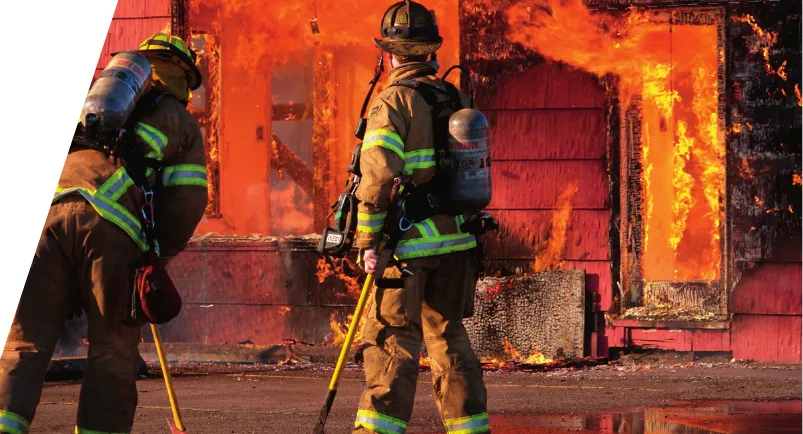
FACT BOX Emergency phone numbers In both Jordan and the USA, the emergency number is 911.

2 In pairs, work out the meaning of the highlighted words. In each emergency decide if you should call the police, ambulance or fire service, or if you should deal with it yourself. 1 A car knocked down a girl. She’s got a few cuts and bruises and she’s in shock. 2 A neighbour fainted and is unconscious; it might be a heart attack. 3 The school fire alarm is ringing. 4 You want to report a crime. 5 You hurt your head. You’re not bleeding but it’s quite painful, and you’re seeing double – you think you have a concussion. 6 Your neighbour is asking for help: a candle fell over, setting fire to her living room curtains. 7 Your little brother burnt his hand while cooking. 8 A shop in your street is burning down.

3 3.2 Study Active Listening. Then listen and choose the correct answer.

You are going to hear a P.E. teacher talking to his students. What’s his main purpose? a to persuade them to run as fast as they can b to advise them to be careful c to complain about their attitude towards P.E.

> ACTIVE LISTENING |

Identifying the speaker’s purpose Speakers have a purpose for speaking. It may be to inform, to explain, to express an opinion, to agree, to complain, to advise, to persuade or to make an arrangement, an offer, a request or a suggestion. The context, the language the speakers use and their tone of voice can help you identify their purpose.

4 3.3 Listen and choose the correct answers. Use Active Listening to help you. 1 You are going to hear one of the students talking to a teacher. What is the student’s main purpose? a to offer to call an ambulance b to inform him about an accident 2 You are going to hear the teacher calling an ambulance. Where is Omar? a near a tree b at a farm 3 You are going to hear an adult from the school calling Omar’s mother. How does she seem by the end of the conversation? a fine b worried c relieved

5 SPEAKING In pairs, use the tenses in Lesson 1A to retell Omar’s story from two different points of view. Student A, you are Omar. Student B, you are Mr Almohsen.

6 Complete the sentences with the words and phrases from the box.

blood concussion cuts and bruises fainted heart hurt painful shock sprained twisted

1 The bus driver sprained his wrist. It was really _ . He didn’t know if the car driver was badly . 2 Khaled got some , broke his leg, his ankle, and suffered a . 3 Issa’s mum banged her head and lost a little _. She was in but she’s better now. 4 His dad didn’t have a attack, he _ because of stress.

□ I can identify the speaker’s purpose and specific information in conversations and talk about accidents.

Keep reading this subunit

Sign up free to read the rest of this subunit; we bring you back here.

  • > ACTIVE LISTENING |
Start freeLog in

Last updated:

A preview of “Active Healthy Listening and Vocabulary” from the unit “Active and healthy” in English Language: 2 lesson sections, 1 definition.

Source: National Center for Curriculum Development, 3A Listening and Vocabulary (pp.31-31)

More in this unit

Continue studying
